Buying a home is one of the most significant investments most people make. A home inspection is a vital step in the buying process to ensure the investment is sound. It uncovers issues that may not be visible during a casual viewing and helps buyers avoid unexpected expenses.
It is important to understand the condition of the home by having an independent home inspection. You want to ensure that you are not buying a money pit!
Definition of a Home Inspection
A home inspection is a visual assessment of a property’s condition, conducted by a licensed professional. Inspectors evaluate the structural, mechanical, and safety components of a home, from the roof to the foundation. The findings are compiled into a detailed report to help buyers understand what they’re purchasing and what repairs may be needed.
The home buyer generally obtains a home inspection and they are responsible to pay the home inspector. A sseller can have their own home inspection prior to selling, and they can provide that to seller as well.
Plumbing Issues
 Plumbing issues are common findings during home inspections and range from minor leaks to major concerns. Inspectors often discover dripping faucets, corroded pipes, and slow-draining sinks or tubs. Leaks under sinks or around toilets may indicate worn seals or faulty connections. Older homes may have outdated piping materials, like galvanized steel are prone to corrosion and restricted water flow. Improper pipe slope or poor drainage can also signal deeper plumbing problems. These issues can lead to water damage, mold growth, and costly repairs. Mold is something that most buyers will shy away from as mold can cause health issues and property damage. Early detection through a home inspection helps buyers plan for necessary repairs or negotiate solutions.
Leaking pipes, corroded fittings, and outdated plumbing materials (like galvanized pipes) can all cause concern. These issues may lead to water damage, mold growth, and expensive repairs if not addressed.
Running Toilet
A running toilet is usually caused by one of three common issues inside the toilet tank:
-
-
Faulty flapper: The rubber flapper may not seal properly, allowing water to continuously leak from the tank of the toilet to the bowl.
-
Float set too high: If the float is too high, the tank overfills and water drains into the overflow tube.
-
These issues waste water and increase utility bills, but are inexpensive and easy to fix with basic replacement parts.
A constantly running toilet is not just an annoyance, it wastes water and drives up utility bills. It’s usually caused by a faulty flapper, float, or fill valve. While easy to fix, this problem often signals general neglect, which home inspectors will identify in their home inspection report.
Slow Draining Tubs or Sinks
Sinks and drains get clogged due to the buildup of debris such as hair, soap scum, grease, and food particles. Over time, these materials accumulate in the pipes, restricting water flow. In kitchens, fats and oils are common culprits, while bathroom clogs often result from hair and personal care products.
Tubs and sinks that drain slowly often indicate partial blockages. This could be due to hair, soap scum, grease, or even improper pipe slope. This issue may hint at larger plumbing concerns,
Missing Anti-Tip Bracket on Range
Freestanding ranges should have an anti-tip bracket installed on the range to prevent the appliance from tipping forward. This simple safety feature is important in homes with young children. Many homeowners are unaware of its necessity, making this a common item flagged during inspections.
Interior Door to Garage Lacks Auto-Closure
For fire safety, the door between the garage and the interior of the home should have a self-closing hinge or auto-closure mechanism so that the door closes automatically. This feature helps contain potential garage fires or fumes. Its absence is a common code violation identified during home inspections.
Fireplace Damper Missing
A missing or damaged fireplace damper allows outside air, animals, or moisture to enter the home, and indoor heat to escape. Inspectors will check if the damper is present and functioning, as its absence can impact energy efficiency and safety. This is a very common finding in homes with older fireplaces and it is fairly easy to repair.
Inoperable Sensors on Garage Door
Inoperable sensors on a garage door are a common safety issue found during home inspections. These sensors prevent the door from closing if something is in its path. If misaligned, dirty, or damaged, they may fail to work properly, posing a risk to people, pets, or property.
Garage door openers must have working safety sensors that stop or reverse the door when something obstructs it. Malfunctioning or misaligned sensors are a serious safety hazard and are often cited during home inspections.
There are 15 Common Issues Identified During Home Inspections | It is imperative for a buyer to obtain an independent home inspection to discover the condition of the home.Click To TweetGround Fault Interrupter | GFI Does Not Trip
A GFI, or Ground Fault Interrupter, is a safety device found in electrical outlets, designed to protect people from electrical shock. It quickly shuts off power if it detects an imbalance in the electrical current, which could indicate a ground fault. GFIs are commonly used in kitchens, bathrooms, and outdoor areas.
GFI (Ground Fault Interrupter) outlets are required in areas with moisture, such as kitchens and bathrooms. If a GFI outlet fails to trip when tested, it’s considered a safety defect and will likely need replacement.
Roof Leaks
Roof leaks are caused by damaged or missing shingles, cracked clay tiles, and cracked flashing. Over time, weather exposure like wind, rain, and UV rays can weaken roofing materials, allowing water to penetrate. Poor installation, clogged gutters, and aging roofing systems also contribute to leaks. Water may enter through small openings and travel before appearing inside the home, making the source difficult to locate. Clay tile roofs can be damaged by people walking on them. The cracked tiles are identified during home inspections.
Inadequate attic ventilation or insulation can worsen the problem by causing moisture buildup. Regular inspections and maintenance are essential to identify potential issues early and prevent costly water damage from roof leaks.
The roof is one of the most critical components of a house. Home Inspectors check for missing shingles, worn flashing, or signs of water intrusion in the attic. Roof leaks can lead to structural damage and mold, making this a high-priority issue if identified during home inspections.
Improper Drainage of Flower Beds Next to Home
Flower beds that slope toward the house instead of away from it can direct water toward the foundation, causing damage or basement leaks. This improper grading is a surprisingly common problem found during home inspections. A beautifully landscaped home can add to beautiful curb apppeal, however it needs to be installed without damaging the home.
Water that accumulates right next to a home can cause significant damage. There can be water intrusion and that can lead to mold. This is an important issue found during a home inspection, and a buyer may want to consult with a licensed landscape architect to ensure the flower beds are installed properly.
Interior Doors That Do Not Close Properly
Sticking or misaligned interior doors can result from poor installation, humidity, or structural shifting. Inspectors often note these issues as potential signs of foundation problems or settling. Doors that do not close properly are often identified during home inspections.
Signs of Termite Infestation
Evidence of termites can be found during home inspections. Wood damage, or frass (termite droppings) can severely impact a home’s structure. Even if the infestation is no longer active, previous damage can be costly to repair and must be taken seriously. The signs of termite infestation are often found during home inspections. The home inspection can trigger other inspections, such as a termite inspection. A termite inspector will look for signs of infestation and wood rot. Wood can rot from existing moisture.
There are 15 Common Issues Identified During Home Inspections | It is imperative for a buyer to obtain an independent home inspection to discover the condition of the home.Click To TweetRepairs for termite infestation can be local treatment of the involved wood, and it may also require tenting of the home. Tenting can be expensive; however, most termite companies will generally offer a warranty after the tenting is complete. Buyers may request that the termite infestation be addressed with their request for repair, which is generally submitted to the seller when the property is active under contract before contingencies are removed.
Insufficient Attic Insulation
The amount of insulation an attic needs depends on the climate and local building codes, but generally, attics require between R-30 and R-60 insulation levels for optimal energy efficiency. The “R-value” measures insulation’s resistance to heat flow—the higher, the better. In colder regions, higher R-values (closer to R-60) are recommended to keep heat inside during winter, while warmer areas may need less. Proper attic insulation reduces energy bills and improves home comfort.
An under-insulated attic leads to poor energy efficiency and increased heating/cooling costs. Inspectors will check the insulation depth and quality to ensure it meets local standards. They may also look for air leaks or improperly sealed attic access points.
Cracked Tiles on Countertops
Cracked or loose tiles are not just cosmetic issues—they can allow water to seep through and damage the underlying materials. Inspectors usually flag these during home inspections, especially in kitchens or bathrooms where moisture is a concern. This is a common finding during home inspections.
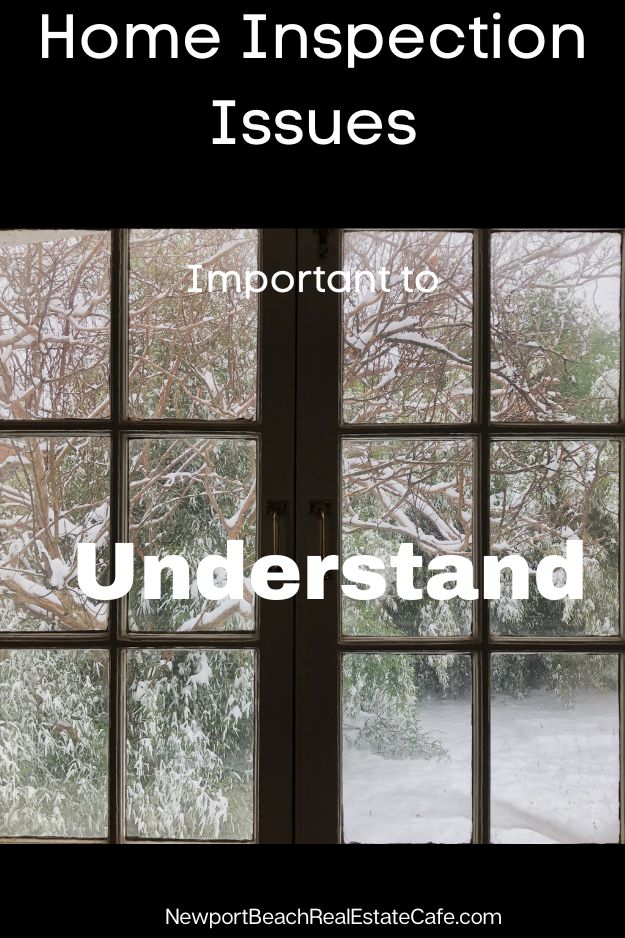
Fogged Windows
Final Thoughts
Understanding the most common problems identified during home inspections can help buyers make more informed decisions. The condition of the home needs to be fully understood before a buyer removes the home inspection contingency. Some issues are minor and easily fixed, while others may require negotiation, repair, or even reconsidering the purchase. No home is perfect, but knowing what to expect empowers you to protect your investment.
If you’re buying or selling a home, scheduling a professional home inspection is a crucial step that can save you time, money, and stress in the long run.
Feel free to contact a certified home inspector in your area to discuss your concerns and ensure your home is safe and sound. Be sure not to waive a home inspection, as you are then buying a property and not really knowing much about it!

